I passed my road test, and I’m here to share my experience.
During the driving road test in Spain, the examiner will only give instructions in Spanish, and the instructor is generally not allowed to translate. Therefore, it is crucial to master the following common Spanish commands and their expressions:
- Start the engine: Arrancar
- Turn right: Derecha
- Turn left: Izquierda
- Go straight: Recto
- Make a U-turn: Cambio de sentido
- Indirect left turn: izquierda indirecto
- Roundabout: Rotonda
- First exit: Primera salida
- Second exit: Segunda salida
- Third exit: Tercera salida
- Fourth exit: Cuarta salida
- Stop: Parar
- Park: Aparcar
If you don’t hear an instruction clearly, you can ask the examiner to repeat it in Spanish, for example: “Por favor repita”.
Be Aware of Deviations in the Examiner’s Instructions
Sometimes the examiner may give an incorrect instruction, either intentionally or unintentionally. For example, if instructed to turn right but there is a traffic sign at the intersection or on the road prohibiting a right turn, you should ignore the instruction and continue to follow the road signs.
At the same time, you should maintain a wide field of vision while driving. Note that road guidance markings are often about 30 meters before an intersection, and there may be no corresponding signs at the intersection itself. Also, pay attention to vertical signs and traffic lights, with traffic lights having the highest priority. If there is a STOP sign at an intersection but also a green light, you must strictly follow the higher-priority traffic light and not stop.
Understanding Roundabout Rules
Roundabouts within the city:
- For left turns and U-turns, you must use the inner lane.
- When the inner lane has a traffic light, you can proceed directly on a green light. A flashing yellow light means you must yield to traffic from the right. Be sure to look to your right; if a car is 25 meters away, you must yield because it is approaching quickly.
- For right turns and going straight, you should choose the outer lane.
Roundabouts outside the city:
- Always use the outer lane, unless you are overtaking, in which case you can use the inner lane.
When exiting a roundabout, be sure to signal right in advance and use your turn signals correctly to assist with lane changes. If traffic congestion prevents you from changing from the inner lane to exit the roundabout, you should continue to circle until you can change lanes safely, and then switch to the rightmost lane (the further right, the better) to exit (in Spain, consecutive lane changes are allowed). For roundabouts that are split into several islands, enter from the rightmost lane for a left turn, and choose the middle or leftmost lane to go straight. The keyword is indirecto.
Lane Selection and Intersection Driving
When going straight:
- If there are three lanes, you should generally choose the first lane from the right.
- If there are more than three lanes, it is recommended to use the second lane.
When passing through intersections:
- Avoid stopping on pedestrian crossings, bike lanes, or other special lanes, especially in congested areas marked with a cross-hatched grid.
- If the vehicle in front of you stops due to lack of space, you should stop early and wait, ensuring your stopping position does not obstruct special lanes.
Safe Driving and Right-of-Way Awareness
Spanish traffic laws are very strict about the right-of-way. People have a strong sense of right-of-way. On crosswalks without traffic lights, pedestrians have absolute priority; they are not in the habit of looking left and right for traffic and may cross suddenly. Therefore, when driving in areas where you do not have the right-of-way, you must remain highly alert, especially in sections with yield signs. You need to check for approaching traffic in bicycle lanes or motor vehicle lanes behind you and turn your head to confirm the road conditions.
However, with a green light, even if there are pedestrians on the crosswalk, the driver must not slow down or stop in advance, unless there is an unavoidable emergency, in which case only emergency braking is permitted. When passing a crosswalk without a traffic light, you should slow down appropriately. If there is a sign indicating students or children, you must also perform a braking action to slow down.
Generally, the speed limit on urban roads is 50 km/h, while single-lane roads may be limited to 30 or 20 km/h. Roads outside the city are generally 90 km/h, and highways are 120 km/h. You are generally required to drive as close to the maximum speed limit as possible; even exceeding it by 2-5 km/h is acceptable.
STOP Signs and Temporary Stopping Requirements
When you encounter a STOP line on the road, you must stop before the line and wait for 3 seconds, then stop again about 1-2 meters past the line to observe the traffic conditions. This double stop is a test requirement. If visibility is poor, you should stop multiple times to confirm safety.
But be aware: if there is also a traffic light, you must strictly follow the light’s signal. You are not allowed to stop at a green light; you must proceed directly. Stopping in this situation is actually a fault. If there is no stop line, position the front of your car about one meter into the intersection, stop for at least 3 seconds, and then proceed after confirming it is safe.
Road Test Procedure and Driving Strategy
The road test usually begins with 3-5 minutes of independent driving, after which the examiner will give instructions. Since you may not be familiar with many of the roads on your first drive, it is advisable to observe road signs from a distance. For example, entering a roundabout might require you to be in the left lane, while the right lane is for other directions; this is usually indicated by traffic signs above the intersection. Sometimes, a left turn does not necessarily mean using the left lane; you might need to make the turn from the right lane. In such cases, you need to observe the road markings or overhead signs in advance and prepare to change lanes. If it’s too late to change lanes safely, it’s better to disobey the examiner’s instruction than to make a forced lane change.
If road guidance markings are difficult to see because they are blocked by large vehicles or are faded, and there are no clear directional or prohibitive signs at the intersection, you can sometimes look for hand signals from your instructor. When in doubt, it is generally safer to choose to turn right and try to avoid turning left.
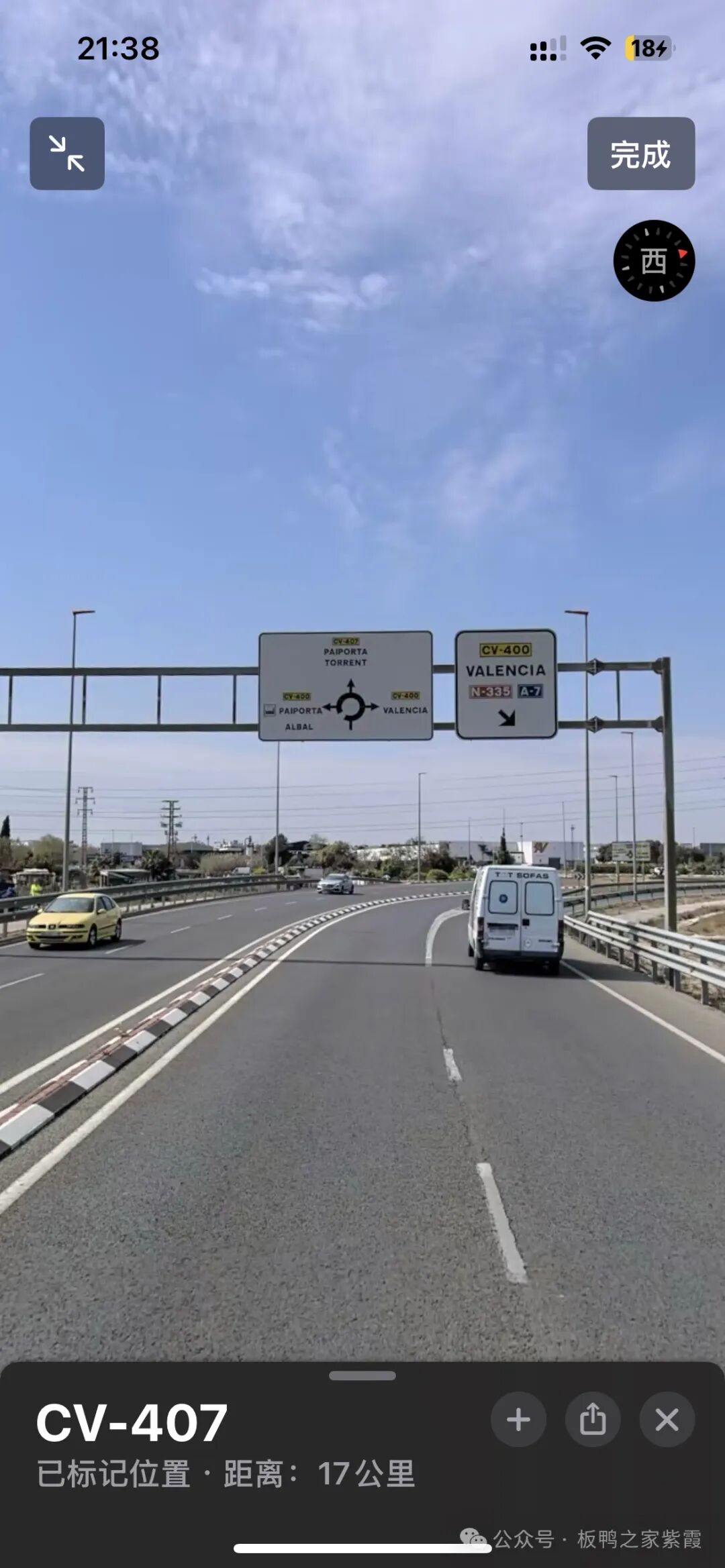
The road sign above indicates entering the roundabout from the left lane.
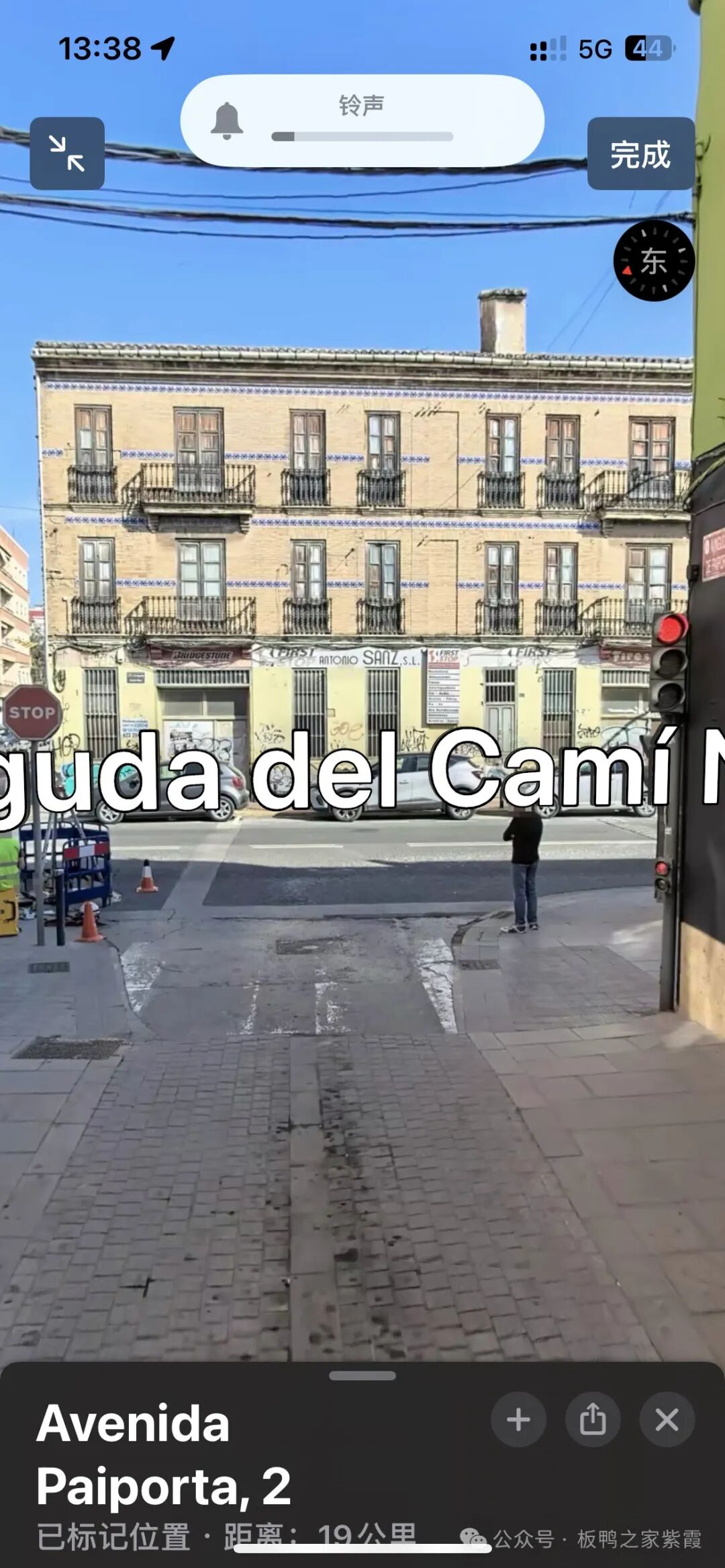
Prioritize the traffic light on the right; do not stop at a green light.
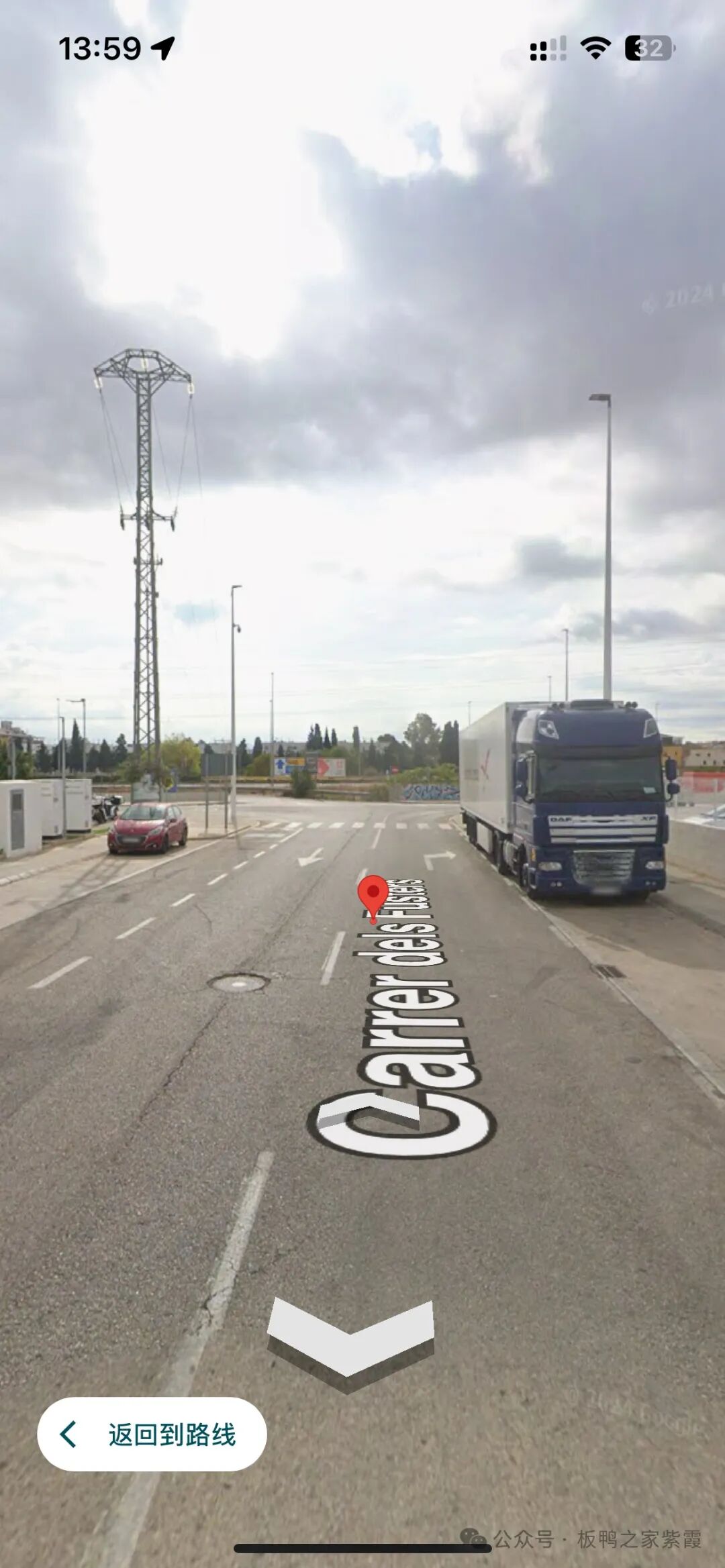
The road markings indicate a right turn only, but there is no sign at the intersection prohibiting a left turn. Therefore, it’s difficult to see that a left turn is not allowed if a large vehicle is blocking the view.
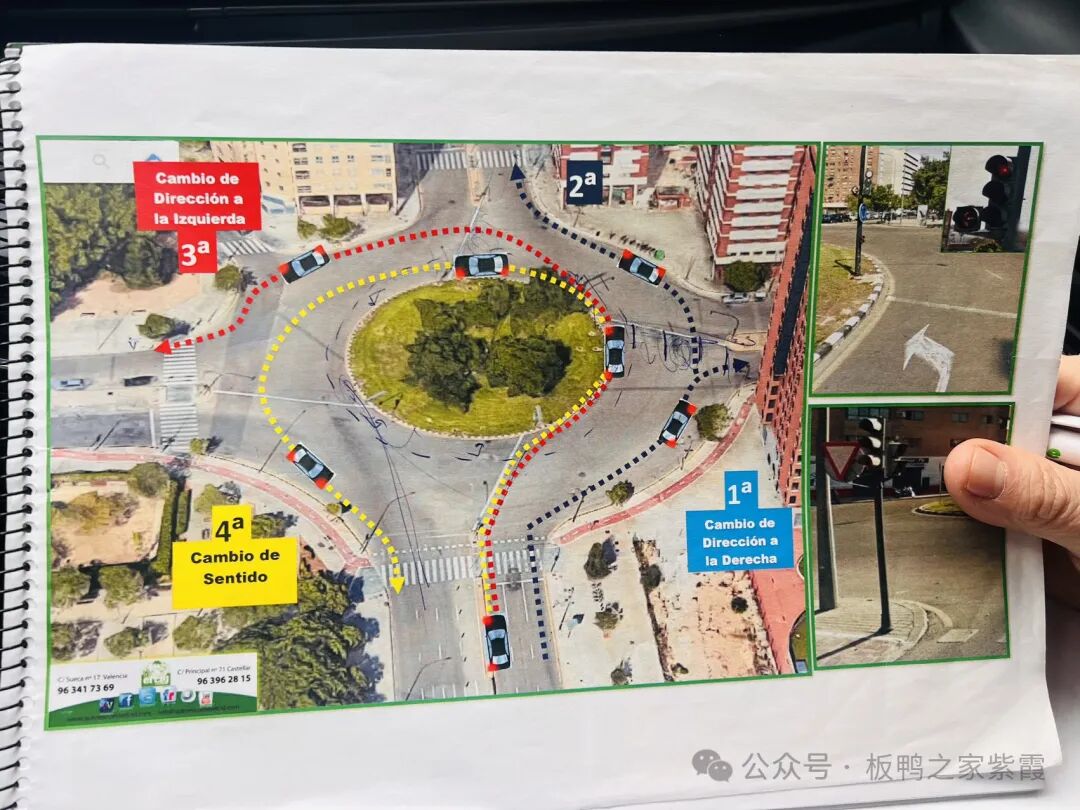
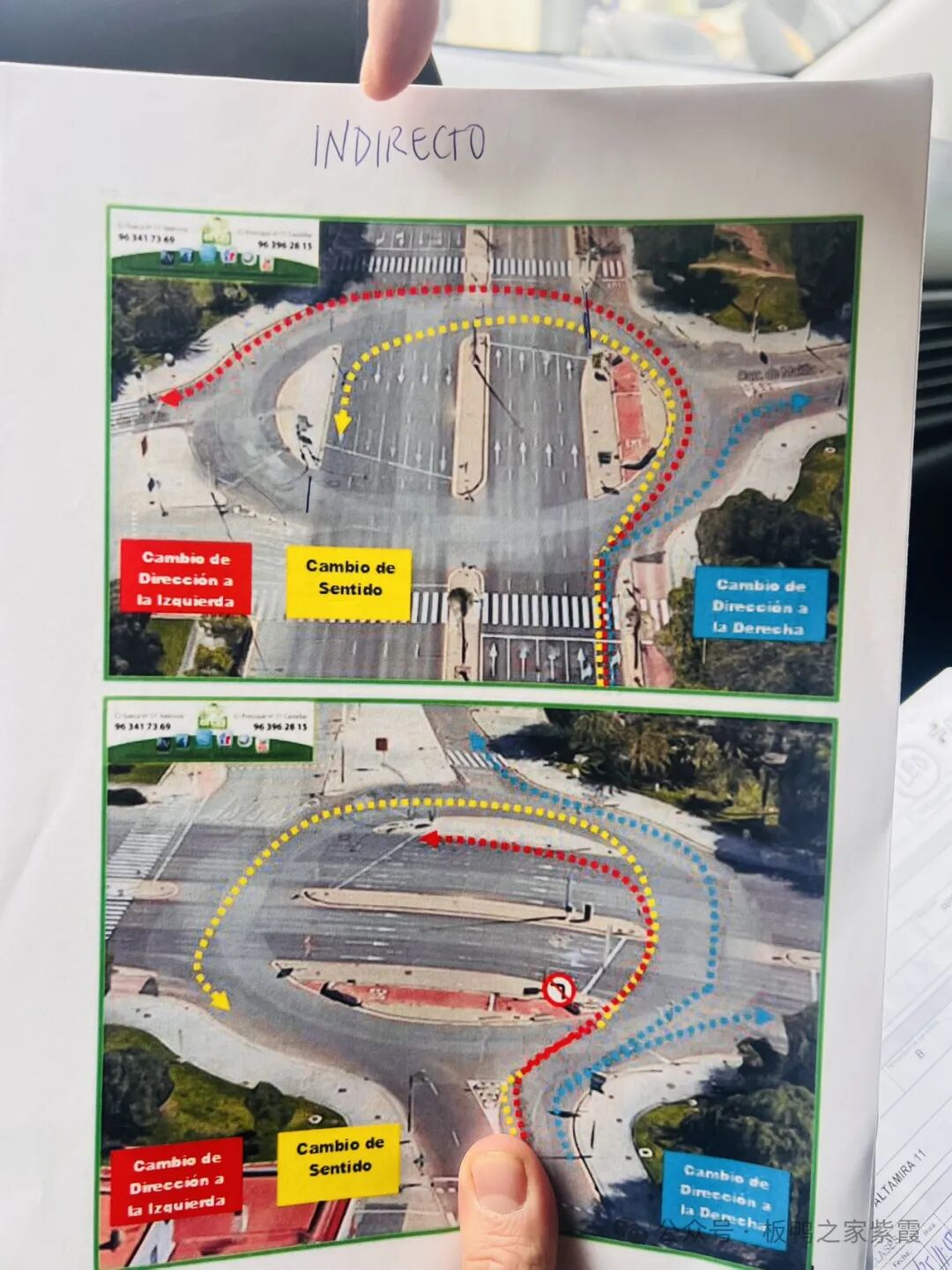
Two ways to navigate a roundabout