1. Using idealista for Free Queries: Valuation, Cadastre, Historical Price Curve, and Local Amenities
Visit:
https://www.idealista.com/zh/maps/
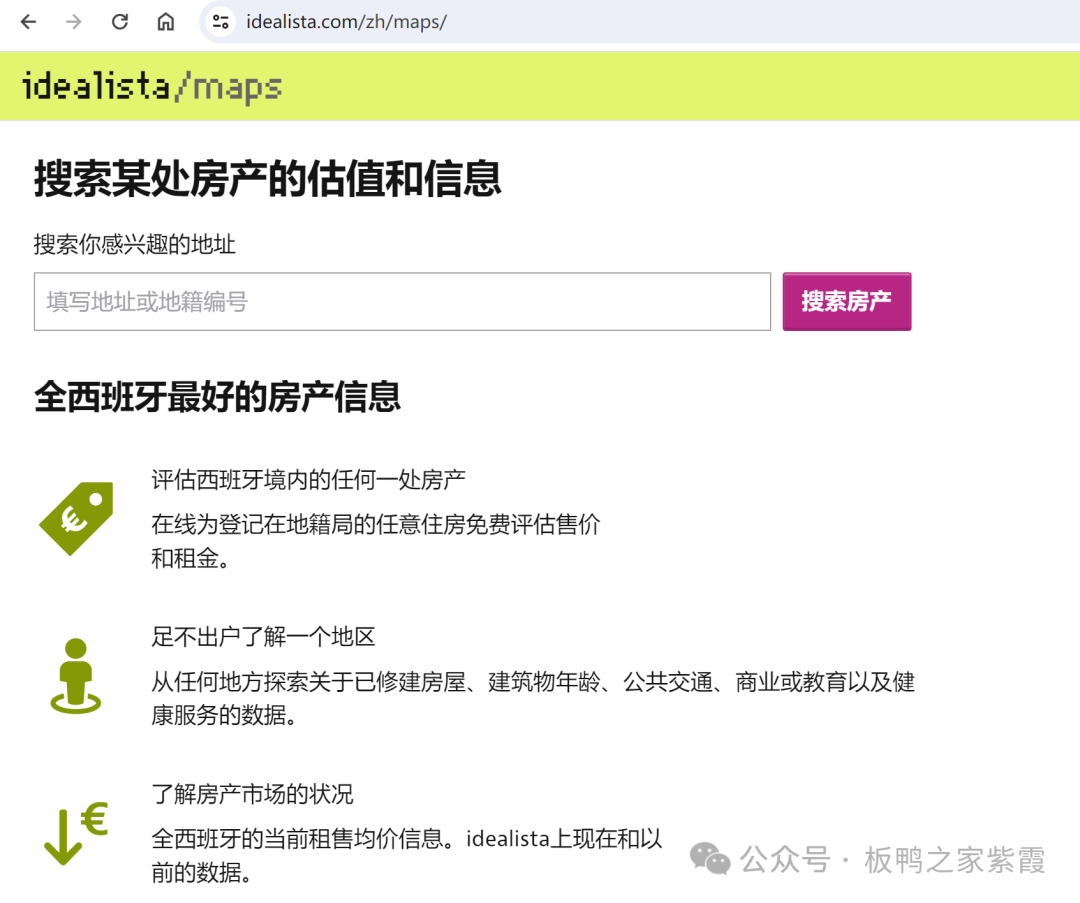
1) Search by Address
Enter the property’s address to begin your search.
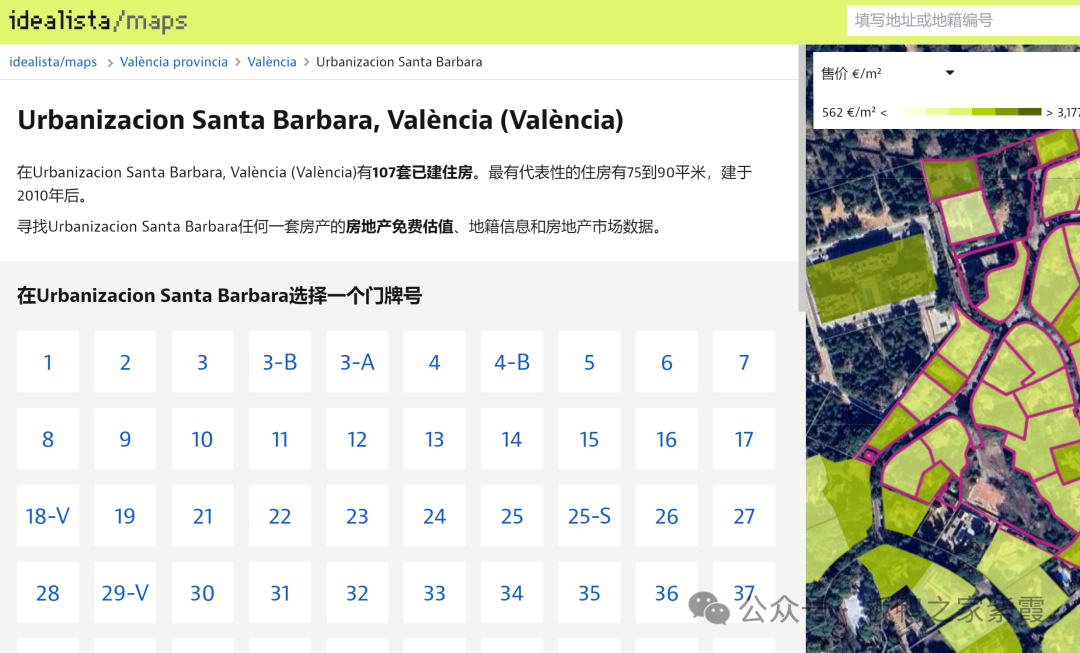
2) Select the House Number
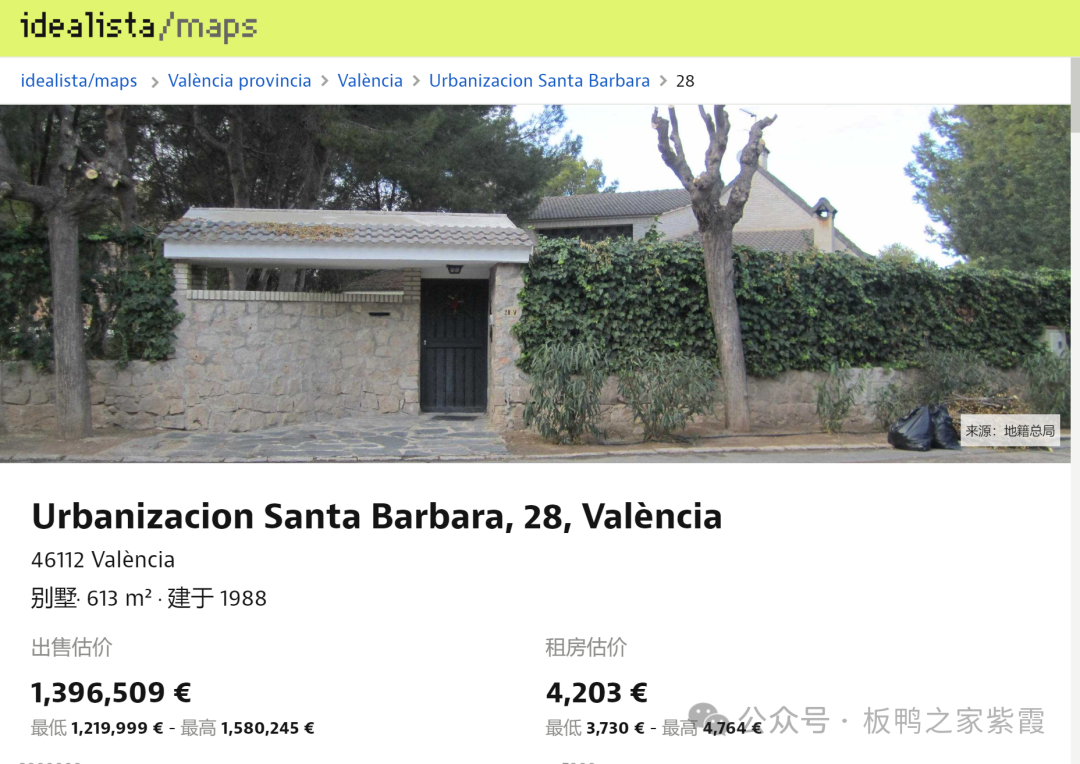
3) View Basic Property Information and Valuation
This will display the property’s:
- Area
- Year of construction
- Estimated sale price
- Estimated rental price
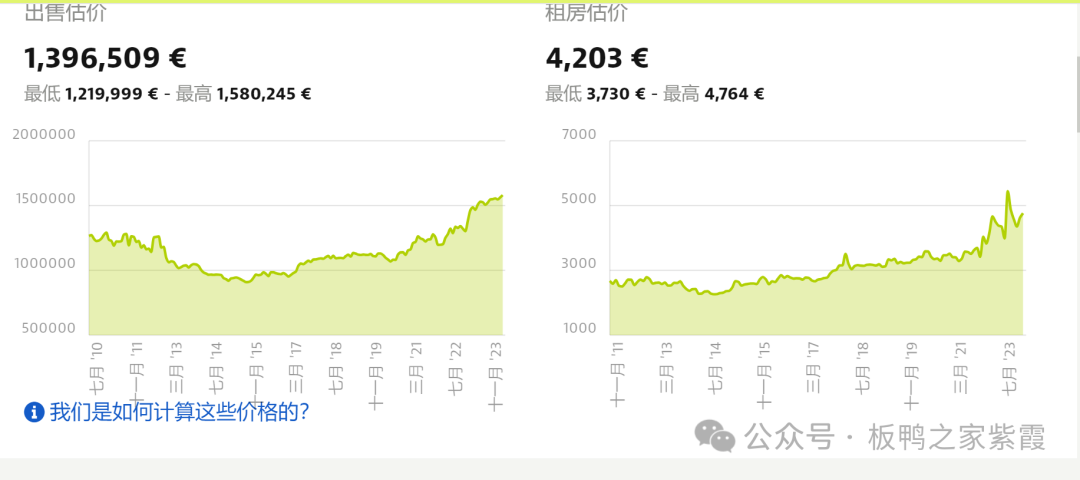
4) Scroll Down for Cadastral Information and Building Structure
Continue scrolling down to find a link to download cadastral information and details about the building’s structure.
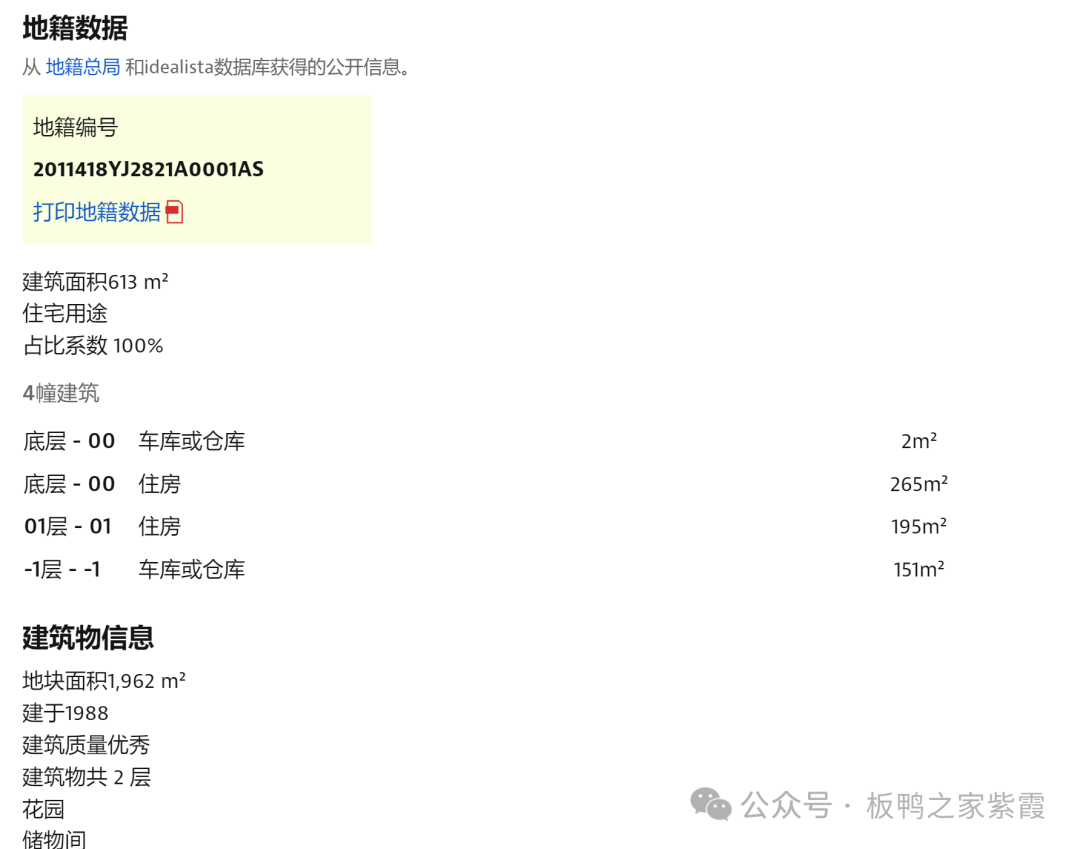
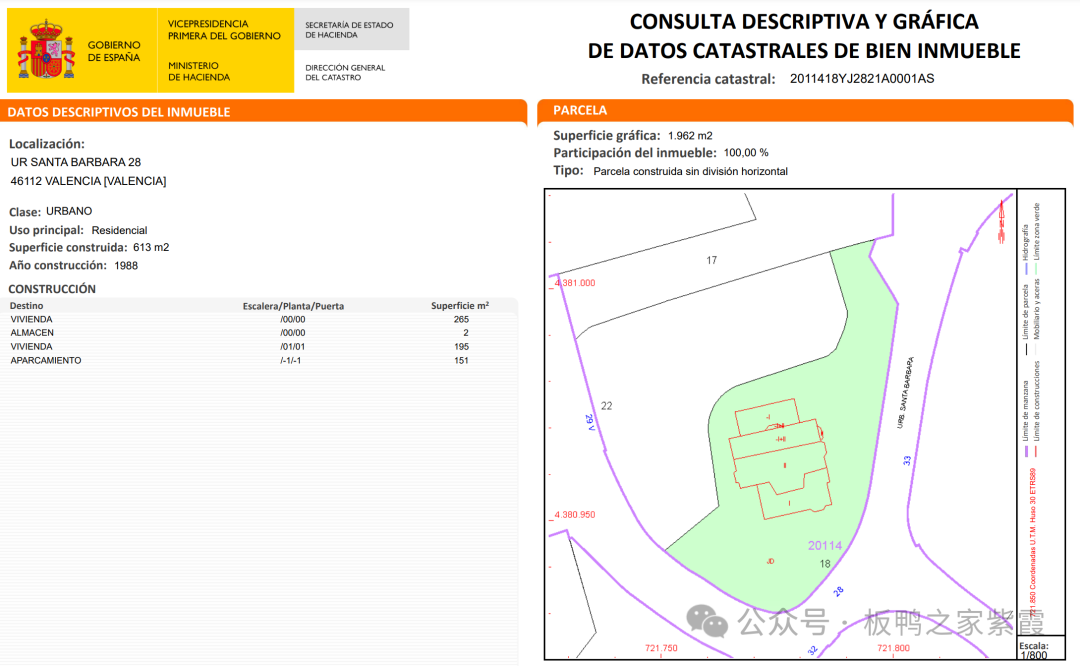
5) Nota Simple (Crucial)
The cadastral information, or nota simple, includes:
- Transaction history
- Information on whether there are mortgages, etc.
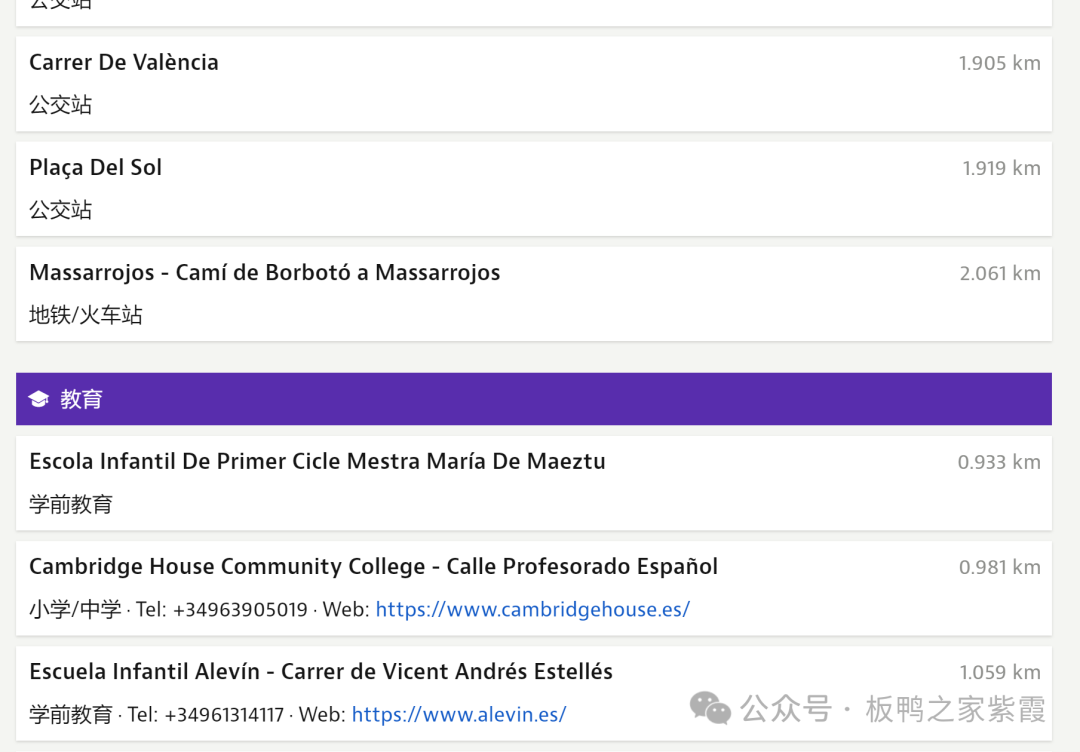
6) Local Information: Transport, Education, Healthcare, Shopping
Information on nearby transport and education.
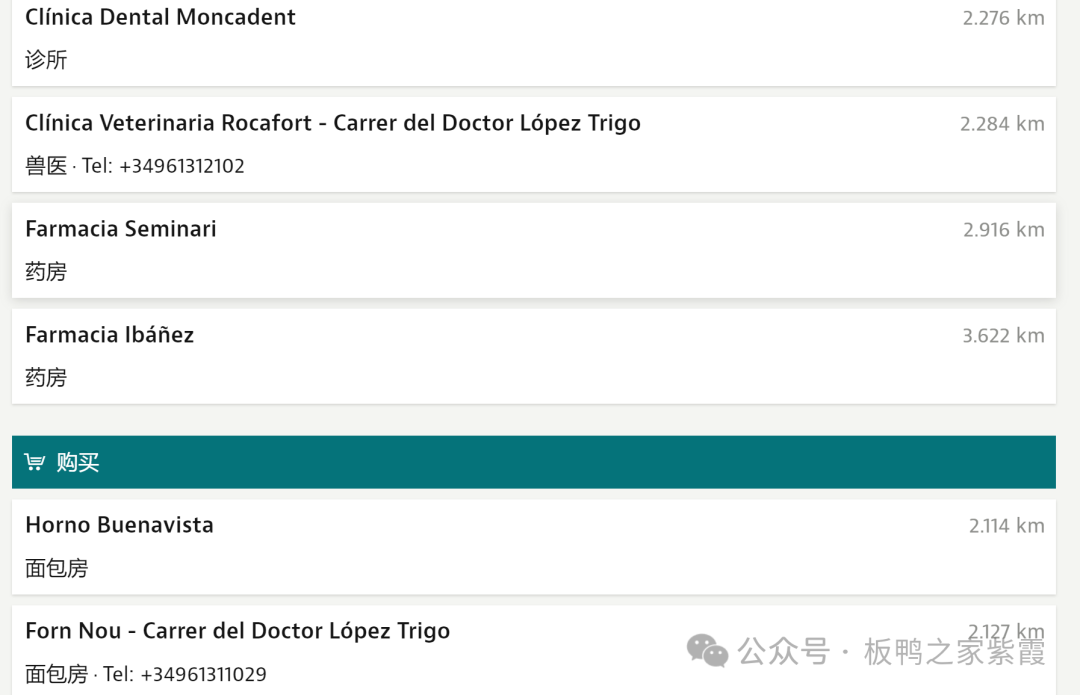
Healthcare and shopping facilities near the property.
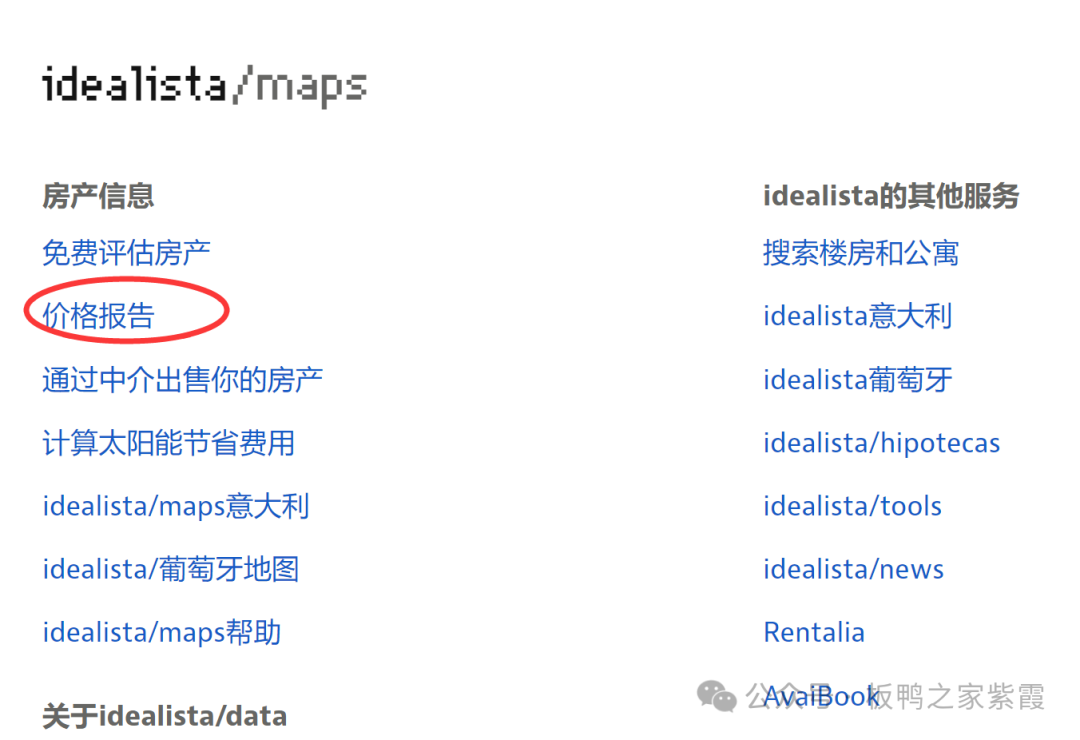
7) Price Report: Historical Transaction Price Curve
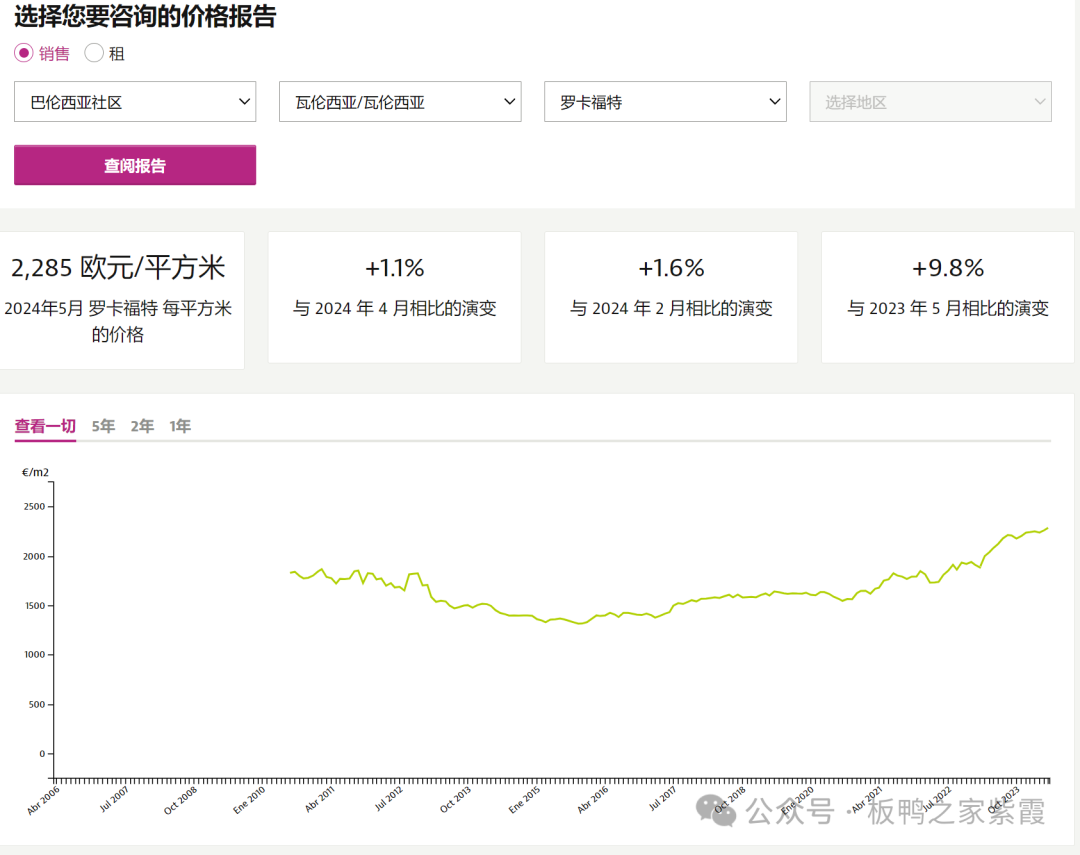
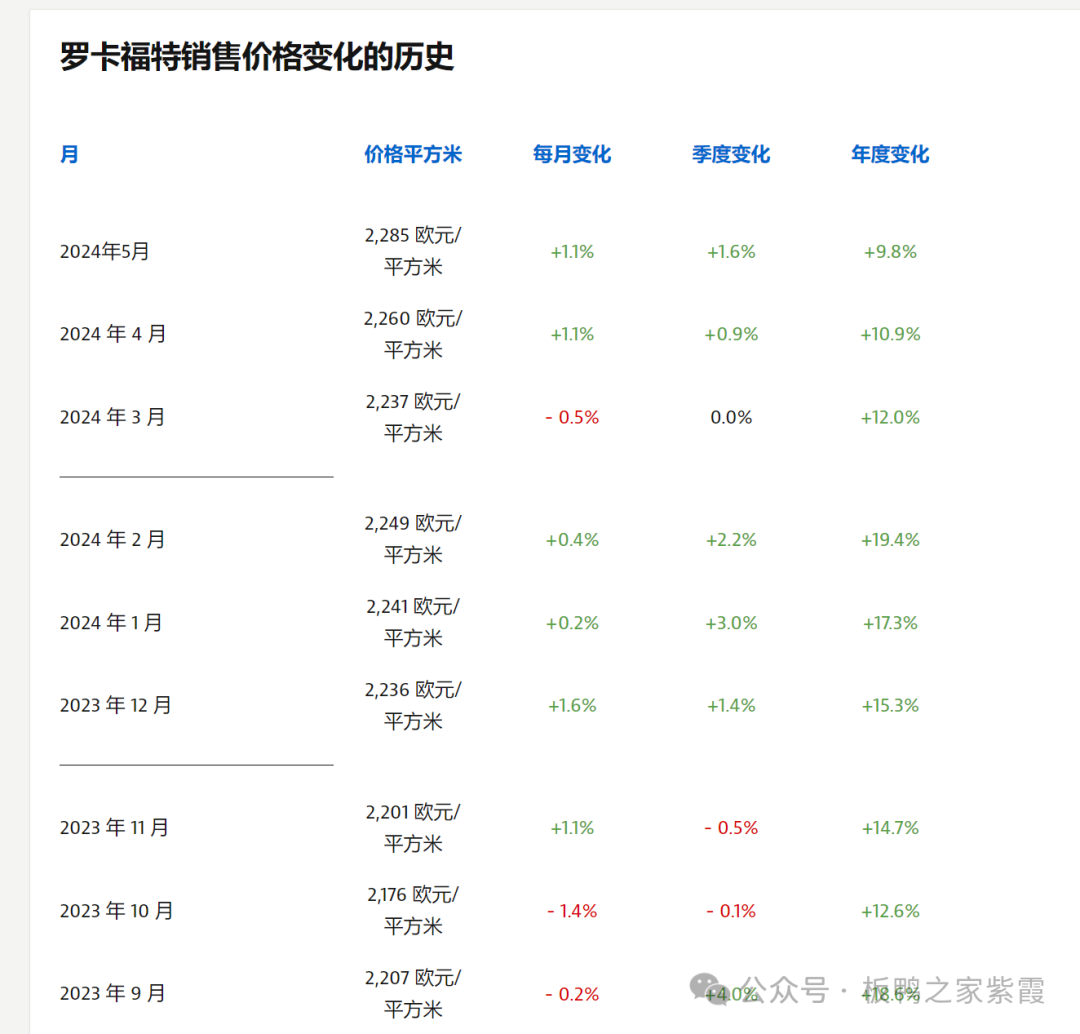
Click on the price report to see the historical transaction prices for the area.
You can see that property price fluctuations in Spain are very small:
- This example shows villa prices: villas are almost exclusively for self-occupancy and have little investment value.
- Apartment prices in Spain have seen greater increases: apartments offer a higher return on investment.
2. Market and Settlement Assessment: Rental Yield, Regional Climate, and City Selection
- The rental yield for properties in popular Spanish cities is around 7%, and there is a high demand for low-rent properties.
- Affordable apartments in convenient locations have better investment value.
Differences Between Spanish Regions (Climate/Prices/Environment)
Northern Spain (bordering France, facing the Atlantic Ocean)
- Humid climate, lush vegetation
- Cool summers, cold winters
- High cost of living
- Clean cities
- Scenery similar to Switzerland
Central and Southern Spain
- Dry climate, sparse vegetation
- Dusty during high winds
- Hot summers
- Relatively lower cost of living
From the perspective of transportation convenience, suitable climate, economic development, and vibrancy:
Barcelona is the most suitable region in Spain for settling down.
3. Tips (Very Practical, Recommended to Follow Step-by-Step)
The southern and central regions of Spain are semi-arid. During heavy rainfall, there’s a high risk of flooding, and flood disasters occur almost annually. Therefore, when choosing a house in the central and southern regions, try to select areas that are densely populated and on higher ground. When viewing a house, check the basement for any signs of past flooding.
The real estate agent’s commission is typically 3% of the property price. If the price exceeds â¬200,000, this is generally negotiable.
Before making an offer, you must carefully review the
nota simple(cadastral information) to avoid purchasing a property with an outstanding mortgage or complex ownership issues.If you are bold and meticulous, you can use the photos on property websites to track down the property and knock on the door to contact the owner directly. This can save a significant amount in agent fees, but not every owner is willing to bypass their agent.
The property transfer tax is approximately 10% of the property price. You must pay this tax yourself at the bank. Do not transfer the tax money directly to the agent for them to pay on your behalf. Having an agent handle the tax payment is very risky.
The property transaction process is relatively simple, and it’s not always necessary to hire a lawyer. Chinese lawyers generally charge around 1%, while Spanish lawyers are cheaper, and you can negotiate a fee of a few hundred euros per consultation. You can also use translation software to translate the contract yourself or hire an experienced translator to help review it.
The most important part of the property transaction is the notarization of the entire process at a notary’s office. Therefore, you must verify the credentials of the notary to ensure they are a legally licensed professional. All legal notaries in Spain must be registered with the Spanish General Council of Notaries (Consejo General del Notariado - CGN). You can find a directory of legal notaries by visiting https://www.notariado.org/.
On the idealista property website, you can freely check a property’s cadastral information, estimated sale price, average prices of nearby properties, historical transaction price curves, and information on surrounding amenities. Use idealista for free cadastral information checks.
Spanish property prices are stable, and a house’s value is mainly reflected in its construction cost. The construction costs for new homes today are much higher than those from one or two decades ago, as labor and building material prices have risen sharply. Consequently, new homes are much more expensive than older ones, often more than double the price. Furthermore, the building materials and methods used in new constructions are not as sturdy as those used in houses built around the year 2000. Therefore, choosing a second-hand house from around the year 2000 is the most cost-effective option. In Spain, very few people buy new homes or build their own.
The EU has strict anti-money laundering policies, and the source of funds for purchasing a new home is subject to very rigorous checks.
4. The General Process for a Second-Hand Property Transaction in Spain (A Complete Step-by-Step Guide)
Filter properties on second-hand housing websites.
Contact an agent for viewings.
Sign a viewing agreement.
(Note: Before signing, confirm the terms of the agreement, such as exclusivity clauses, agent fees, etc. If you do not agree with them, refuse to sign.)After showing interest: Pay a reservation deposit (usually proposed by the agent).
The agent will typically ask the buyer to pay a reservation deposit, the amount of which is usually specified in the agency agreement.
The contract will generally stipulate that:
- If a contract is reached with the seller at the buyer’s proposed price, the reservation deposit will automatically be converted into the agent’s fee.
- If an agreement cannot be reached with the seller, the reservation deposit will be fully refunded within one week.
These terms are negotiable and not standard.
- Sign the purchase contract with the seller (ensure key clauses are clearly stated).
The contract generally includes:
- Total property price
- Deposit amount
- Notarization date
- Final payment date
- Handover date
A deposit, typically around 10% of the property price, is usually paid to the seller upon signing the contract.
Spanish banks often have a daily transfer limit of â¬50,000. Be sure to arrange for temporary authorization for a large transfer with your bank manager in advance, or issue a bank check. The payment method for the deposit needs to be confirmed with the landlord to avoid disputes.
- Notarization (The most critical step: on-site settlement, check, and identity verification).
During notarization, check that the notary’s information is listed on the official website of the Spanish General Council of Notaries and that they are qualified to handle property transactions.
The final payment is usually made by bank check:
- Exchange the check for the house keys.
This is witnessed by the notary on-site.
The bank check needs to be requested from your bank in advance.
Pay attention to the name of the check’s recipient; confirm this with the seller beforehand.
Updating property registration information after the transaction (can usually be handled by an agent).
The agent or the notary’s office will usually handle the update of the property registration information after the transaction. The fee is not high, around â¬200, and the process takes about 2 months.
It is recommended to opt for this service. After the property information is updated, you will receive notifications via email and SMS from the government.Paying the property transfer tax (to reiterate: do not let the agent pay it for you).
The property transfer tax is generally 10% of the property price:
Do not let the agent pay it on your behalf, as this can easily lead to problems.
The correct procedure is: have the agent give you the property transfer tax payment form, and then go to the bank to pay it yourself.
After the bank stamps the form, give it back to the agent to use for updating the property registration.Settling fees and transferring utilities (water, electricity, gas, community fees, waste disposal, property tax, etc.).
The settlement and transfer of fees for water, electricity, gas, community fees, waste disposal, and property tax usually require the cooperation of the owner or can be handled by the agent.
Property tax is paid annually. The property tax in Spain is very low, approximately 0.3% of the property value per year, with slight variations between regions.